Your home’s electrical system 101 - from utility service to the receptacles
18:24
How does power flow from the utility service to the appliances in your home? This Eaton video from our Power Systems Experience Centers highlights the major components of residential power systems including meter sockets, loadcenters, AFCI, GFCI breakers, switches, outlets, smart devices and more. Erik Drost and Ellie Cobb illustrate common considerations when designing or building homes. Contractors and homeowners will benefit from understanding these key electrical components that make up the electrical system in your house.
How does power flow from the utility service to the appliances in your home? This Eaton video from our Power Systems Experience Centers highlights the major components of residential power systems including meter sockets, loadcenters, AFCI, GFCI breakers, switches, outlets, smart devices and more. Erik Drost and Ellie Cobb illustrate common considerations when designing or building homes. Contractors and homeowners will benefit from understanding these key electrical components that make up the electrical system in your house.
Automation and control Similar Videos
-
Protective relay basics | Eaton PSEC
9:49
Learn about protective relays, the essential devices used to safeguard electrical power systems from faults and abnormal conditions. Explore types, key ANSI functions, and how overlapping zones of protection ensure system reliability and safety.
-
Magnum circuit breakers with Power Xpert Release (PXR) | Eaton PSEC
9:37
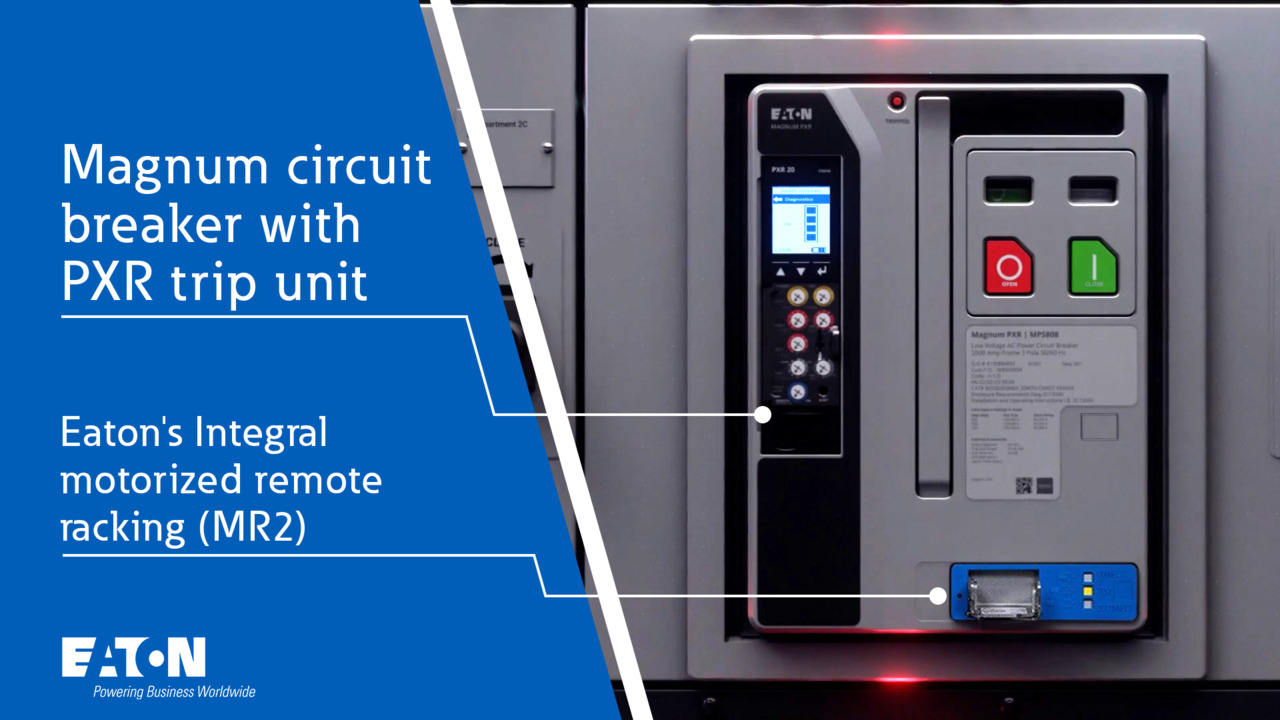
Magnum circuit breakers with PXR trip units offer greater insights into system health, accurate testing, and enhanced communication. With the addition of Eaton's MR2 device, they also increase operator safety by mitigating arc flash exposure.
-
Reduced voltage soft starters (RVSS) explained | Eaton PSEC
8:51
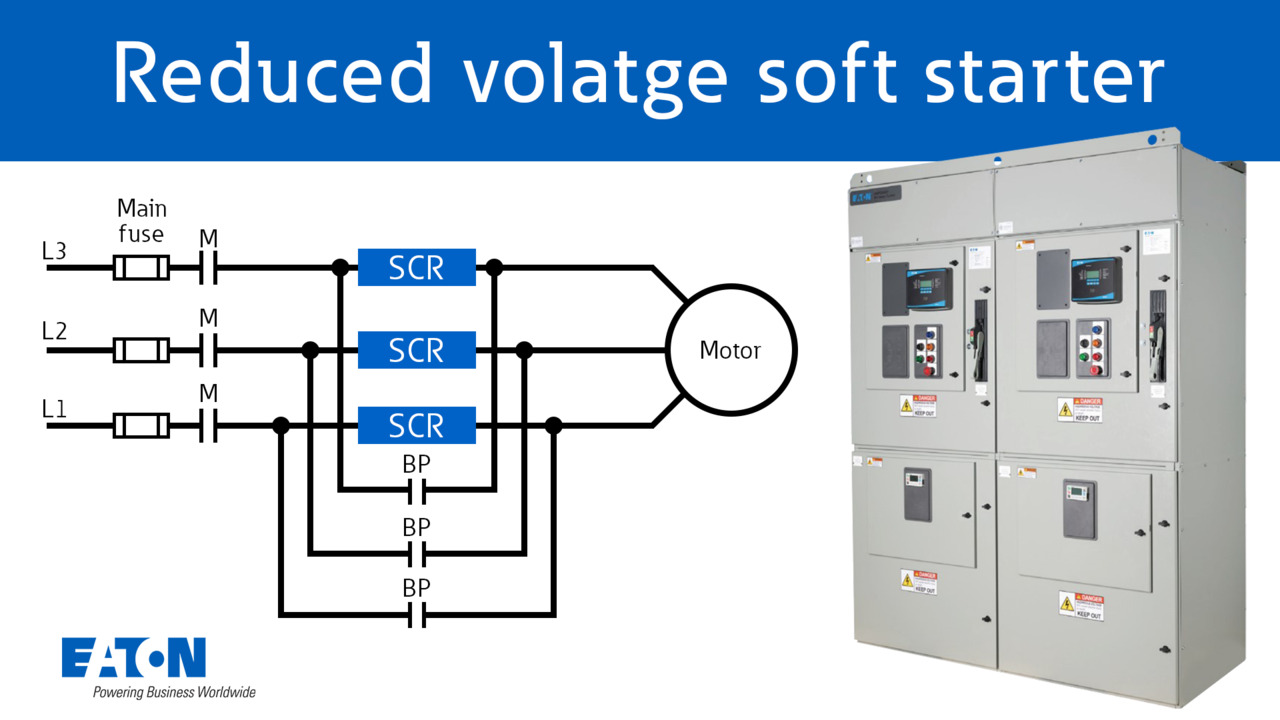
A reduced voltage soft starter, or RVSS, is an electronic device used to start and control the speed of electric motors. RVSSs are designed to protect motors from sudden influxes in power by limiting inrush current associated with motor startup.