What is a UPS and how does it work?
12:32
Dan Carnovale, Director of Eaton’s Power System Experience Centers (PSEC), is back to discuss uninterruptible power supplies (UPS) and how they work. As the electrification of devices and systems increases, so does our dependency on reliable, clean power. Dan explains how UPSs not only provide resiliency through power outages but can also address up to nine power issues. Also, several factors to consider for selecting the correct UPS category based on your system including off-line or standby UPSs, line-interactive and on-line or double conversion UPSs. At the PSEC, we can demonstrate how various Eaton UPSs perform under different power issues including, voltage sags and swells, interruptions, undervoltage, overvoltage, harmonics, transients, electrical noise, transients or surges and frequency variations. Read more at our UPS FAQ page: https://www.eaton.com/us/en-us/products/backup-power-ups-surge-it-power-distribution/backup-power-ups/uninterruptible-power-supply-faq.html Thank you for watching one of our many educational videos on the topic of power systems. Schedule a visit to one of Eaton's Power Systems Experience Centers in either Pittsburgh or Houston to learn more! To learn more about Eaton products and our Power Systems Experience Centers: http://eaton.com/experience To view more educational videos from Eaton's Power Systems Experience Centers: http://videos.eaton.com/experience 00:00 Intro 00:49 What is a UPS 02:21 Types of UPS categories 04:58 Power issues that a UPS can solve 05:41 UPS demonstration 07:39 Double conversion UPS vs VFD 08:58 Selecting the correct UPS for your system 11:04 UPS batteries #UPS #uninterruptiblepowersupply #powersystem
Dan Carnovale, Director of Eaton’s Power System Experience Centers (PSEC), is back to discuss uninterruptible power supplies (UPS) and how they work. As the electrification of devices and systems increases, so does our dependency on reliable, clean power. Dan explains how UPSs not only provide resiliency through power outages but can also address up to nine power issues. Also, several factors to consider for selecting the correct UPS category based on your system including off-line or standby UPSs, line-interactive and on-line or double conversion UPSs. At the PSEC, we can demonstrate how various Eaton UPSs perform under different power issues including, voltage sags and swells, interruptions, undervoltage, overvoltage, harmonics, transients, electrical noise, transients or surges and frequency variations. Read more at our UPS FAQ page: https://www.eaton.com/us/en-us/products/backup-power-ups-surge-it-power-distribution/backup-power-ups/uninterruptible-power-supply-faq.html Thank you for watching one of our many educational videos on the topic of power systems. Schedule a visit to one of Eaton's Power Systems Experience Centers in either Pittsburgh or Houston to learn more! To learn more about Eaton products and our Power Systems Experience Centers: http://eaton.com/experience To view more educational videos from Eaton's Power Systems Experience Centers: http://videos.eaton.com/experience 00:00 Intro 00:49 What is a UPS 02:21 Types of UPS categories 04:58 Power issues that a UPS can solve 05:41 UPS demonstration 07:39 Double conversion UPS vs VFD 08:58 Selecting the correct UPS for your system 11:04 UPS batteries #UPS #uninterruptiblepowersupply #powersystem
Experience centers Similar Videos
-
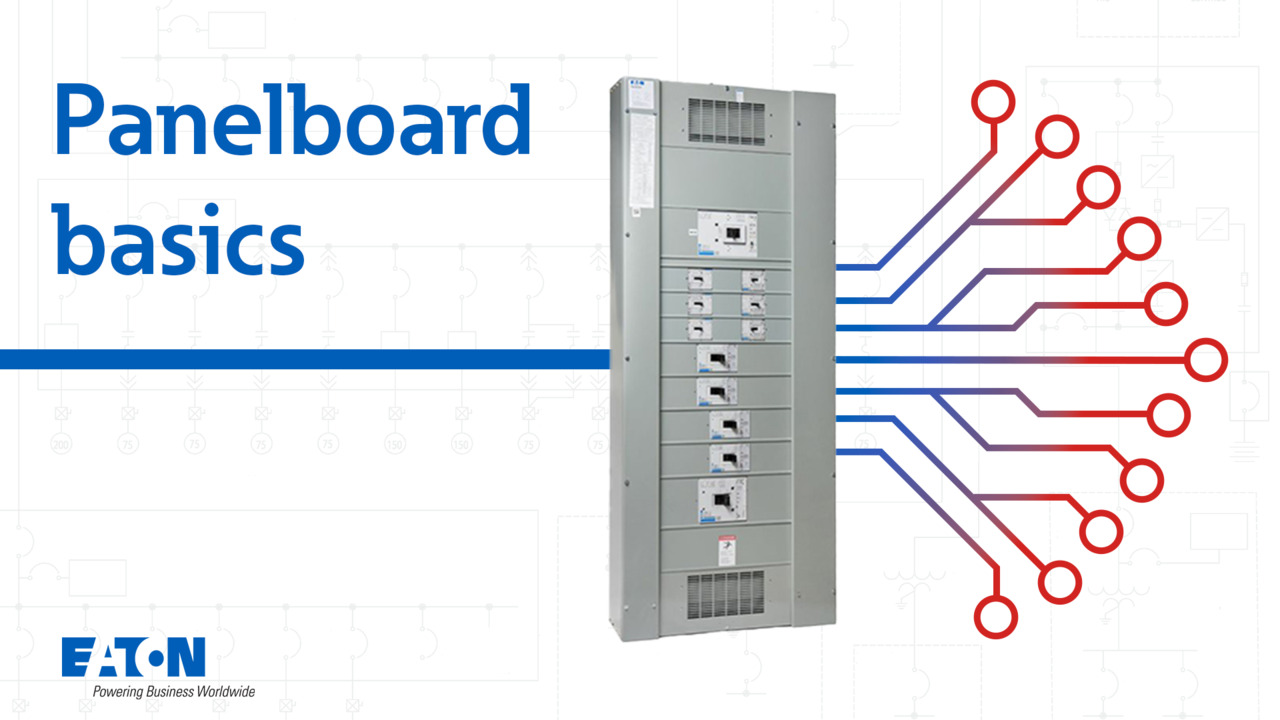
Panelboard basics | Eaton PSEC
14:34
Panelboards are used to safely distribute power by dividing a main power feed into branch circuits with a breaker or fuse, all within a common enclosure. Learn about panelboard components, design, types, standards, and applications.
-
Celebrating 20 Years of Eaton's Power Systems Experience Centers – A Message from Dave Loucks
1:44
Dave Loucks, Founder and Principal Engineer of Loucks Engineering Consultants, shares his thoughts on Eaton’s Power Systems Experience Centers 20th anniversary.
-
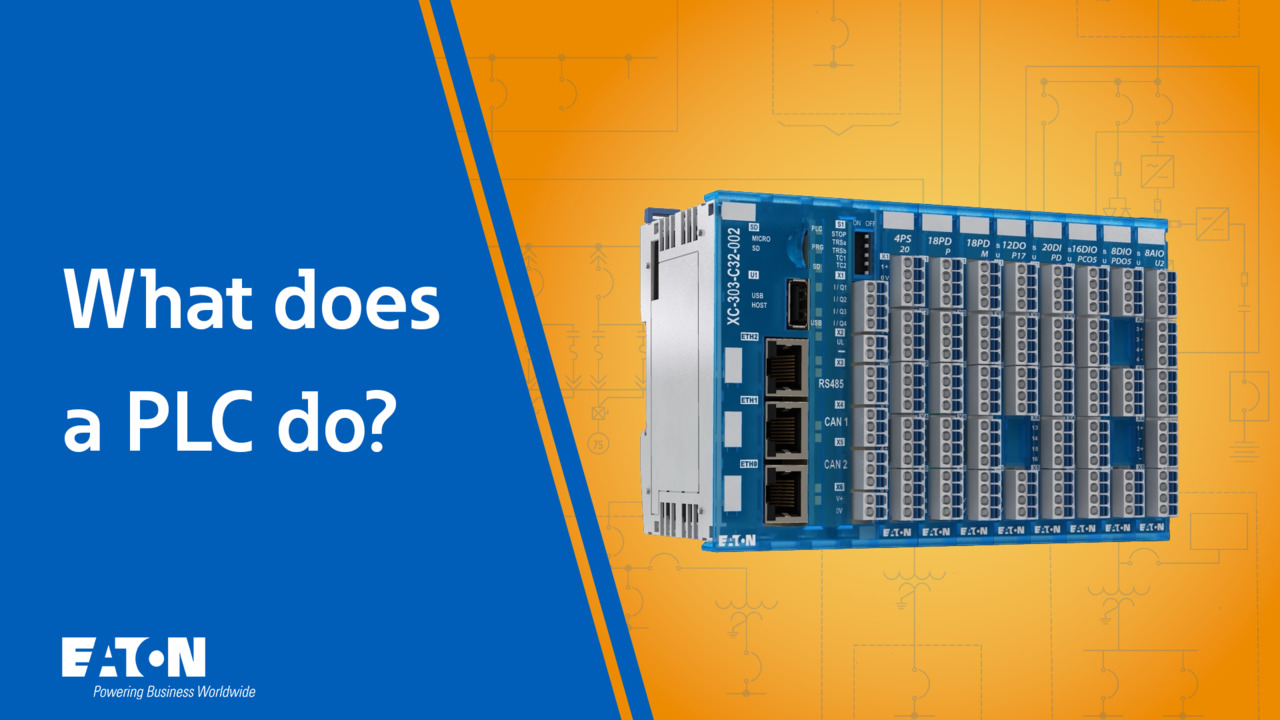
What does a PLC do and how does it work? | Eaton PSEC
8:59
PLCs simplify complex industrial systems by bridging software and physical control. Learn about PLC hardware components, control logic, their programming languages, and workflow to understand how they’ve become essential in any application.