How Eaton diesel cylinder deactivation works to reduce NOx and CO2
5:04
Eaton diesel cylinder deactivation works to reduce NOx and CO2 to help diesel engines achieve 2024 and 2027 emissions reduction targets. You will learn how CDA improves aftertreatment system efficiency to reduce emissions and save fuel. Eaton diesel cylinder deactivation or CDA is a proven solution to increase the exhaust temperature to quickly heat up the SCR catalyst to the peak conversion zone while reducing fuel consumption or CO2 at the same time. Eaton cylinder deactivation can be applied to all medium- and heavy-duty engine types: double overhead cam, single overhead cam, and cam in block. Combining cylinder deactivation with the close coupled SCR aftertreatment system is key to achieving the 2027 mandate of less than 0.02 grams per horsepower hour of NOx. An additional benefit of CDA is the ability to clean sulfur from the selective catalytic reduction (SCR) catalyst. Cylinder deactivation can heat the exhaust temperature to above 500 degrees Celsius, which is enough to remove the sulfur from the LO-SCR, eliminating the need for an additional diesel oxidation catalyst or fuel injector upstream to desulfate the catalyst.
Eaton diesel cylinder deactivation works to reduce NOx and CO2 to help diesel engines achieve 2024 and 2027 emissions reduction targets. You will learn how CDA improves aftertreatment system efficiency to reduce emissions and save fuel. Eaton diesel cylinder deactivation or CDA is a proven solution to increase the exhaust temperature to quickly heat up the SCR catalyst to the peak conversion zone while reducing fuel consumption or CO2 at the same time. Eaton cylinder deactivation can be applied to all medium- and heavy-duty engine types: double overhead cam, single overhead cam, and cam in block. Combining cylinder deactivation with the close coupled SCR aftertreatment system is key to achieving the 2027 mandate of less than 0.02 grams per horsepower hour of NOx. An additional benefit of CDA is the ability to clean sulfur from the selective catalytic reduction (SCR) catalyst. Cylinder deactivation can heat the exhaust temperature to above 500 degrees Celsius, which is enough to remove the sulfur from the LO-SCR, eliminating the need for an additional diesel oxidation catalyst or fuel injector upstream to desulfate the catalyst.
Vehicle - all videos Similar Videos
-
Eaton IQ-Cruise: Built for Fleets, Trusted By Drivers
0:29
Meet IQ-Cruise—Eaton’s intelligent solution using AI and real-time data to boost fleet efficiency, safety, and sustainability.
-
Eaton: More Than Parts—Your Fleet Partner
0:32
Eaton is more than an industry-leading parts supplier. We’re your partner, offering support, training, and resources to keep your fleet moving forward.
-
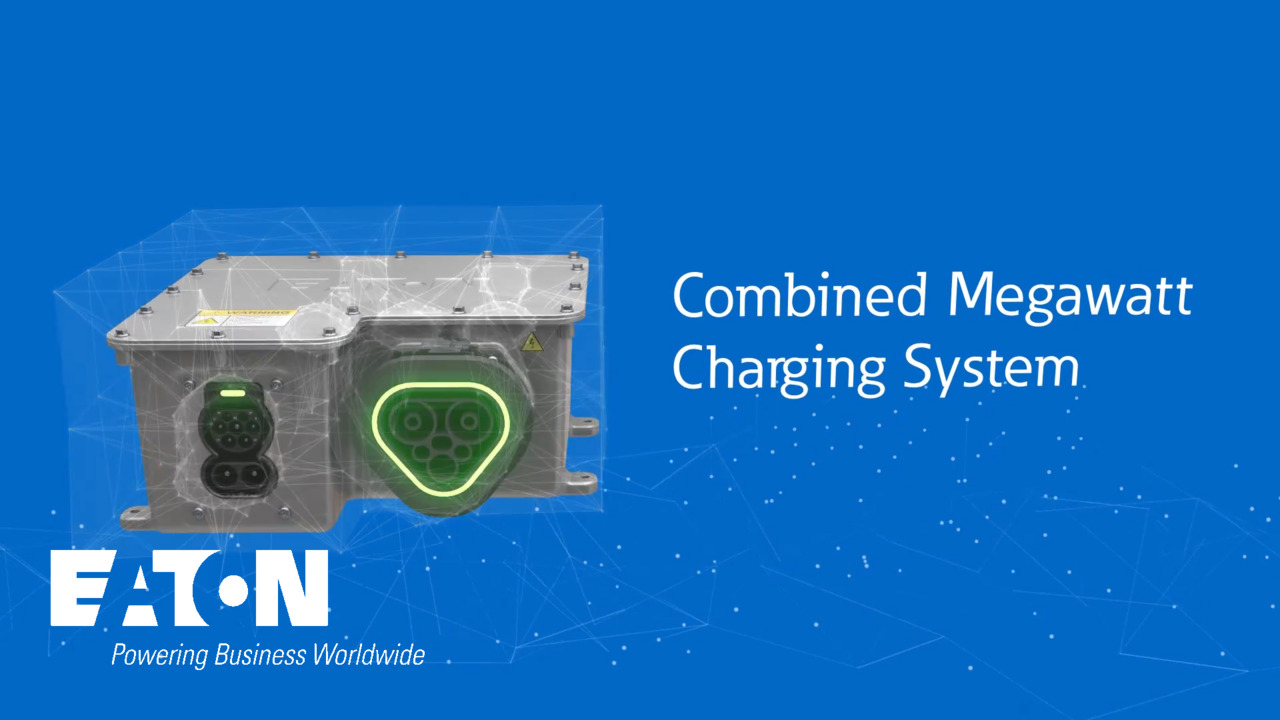
Eaton Combined Megawatt Charging System
0:30
Explore Eaton’s Combined Megawatt Charging System in this animation, highlighting its advanced features and benefits for safe, efficient, and future-ready high-power EV charging.